

10th Dec 2025
How to Detect Early Turbo Failure
How to detect early Turbocharger Failure Before it becomes Expensive
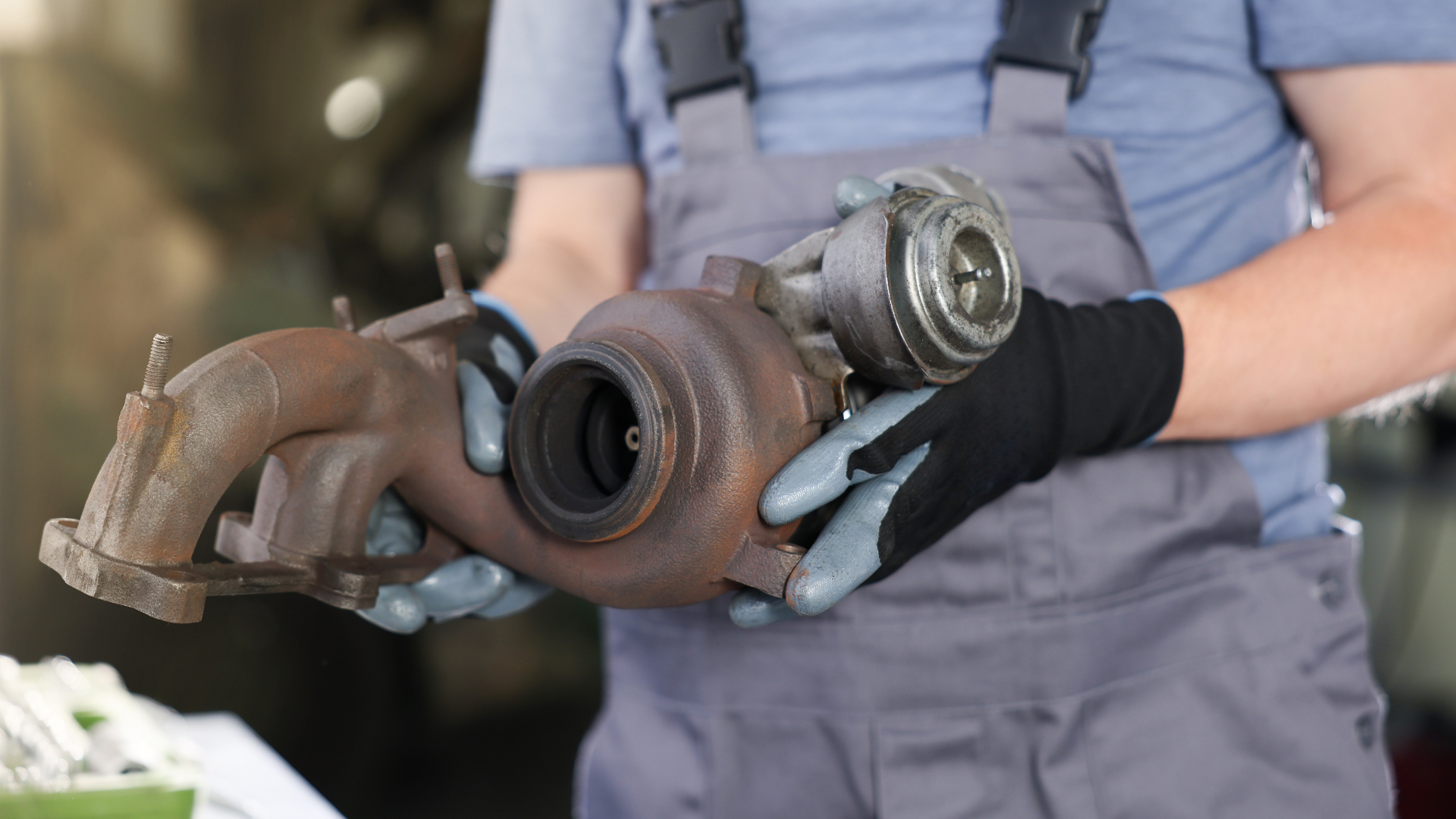
What Are the Symptoms of a Faulty Turbo?
A turbocharger is engineered to enhance engine efficiency, power output, and overall drivability. Turbochargers are extremely dependent on the engine operating at full efficiency with proper oiling and cooling system fuctionality. If a turbo begins to fail, it is most likely caused by poor engine operating conditions. If poor engine operating conditions exist, turbo performance declines quickly and repair costs can escalate even faster. Identifying early warning signs allows you to address the issue before the failure becomes catastrophic.
At TURBOS.COM, we work with drivers, fleets, and repair shops that need reliable OEM turbocharger replacements. The following are the most common symptoms that indicate engine issues leading to your turbocharger nearing the end of its service life.
1. Noticeable Loss of Power
A healthy turbo supplies compressed air to the engine, increasing horsepower and throttle response. When the unit begins to fail, you may notice:
-
Sluggish acceleration
-
Poor high-RPM performance
-
Difficulty maintaining speed under load
If your vehicle suddenly feels flat, the turbocharger may no longer be generating proper boost pressure. This can be a result of a variety of engine issues that are critical to optimal turbocharger operation.
2. Excessive Exhaust Smoke
Turbocharger failures frequently manifest as changes in exhaust color, caused by oil leaking into the exhaust. Keep an eye out for:
-
Blue smoke, indicating oil entering the intake or turbine housing
-
Black smoke, often caused by insufficient air supply leading to rich fueling
-
White smoke, potentially signaling internal coolant leakage
Smoke during acceleration is a strong indicator of turbo bearing failure as a result of engine issues suck as lack of lubrication from engine oil or overheating.
3. Unusual Whining or Siren-Like Noises
A turbocharger normally produces a soft whistle during boost. However, a failing unit may create:
-
High-pitched whining
-
Metallic scraping or grinding sounds
-
A siren-like noise that increases with rpm
These noises often point to bearing wear, compressor wheel contact, or shaft imbalance, all of which can deteriorate rapidly. These symptoms are usually caused by overheating, lack of oil maintenance, or cooling system issues.
4. Check Engine Light or Underboost Codes
Modern vehicles closely monitor turbocharger performance. Common diagnostic trouble codes linked to turbo issues include:
-
Underboost conditions
-
Overboost conditions
-
Turbocharger solenoid or actuator faults
-
Airflow measurement discrepancies
Even if the vehicle still drives normally, these codes should be investigated promptly. Some DTC codes can help identify turbocharger issues immediately, especially when the DTC code calls out an electronic actuator.
5. Excessive Oil Consumption or Visible Oil Leaks
A turbocharger relies on a precise flow of clean oil through its bearing system. If that system fails due to oil contamination or lack of maintenance, you may notice:
-
Rapid oil consumption
-
Oil residue in the intercooler or charge piping
-
Visible leaks around the turbo center housing
- Severe engine oil leaks anywhere around the engine can mean the turbo may not receive enough oil to operate properly
Oil starvation or contamination can quickly destroy a turbocharger. A replacement turbo will not resolve engine oil issues or lack of oil maintenance!
6. Reduced Fuel Efficiency
A malfunctioning turbo decreases engine efficiency, forcing the engine control unit to adjust fueling to compensate. The result is increased fuel consumption that often goes unnoticed until the driver reviews trip averages or fuel receipts.
ECMs/ECUs may command additional boost to the turbocharger to compensate for poor performing engines.
7. Boost Pressure Fluctuation
If your vehicle is equipped with a boost pressure gauge or performance monitoring system, watch for:
-
Inconsistent boost levels
-
Slow spool-up
-
Inability to reach target boost
These symptoms frequently indicate wastegate, actuator, or compressor issues.
What Causes Turbochargers to Fail?
Drivers often experience premature turbocharger issues due to:
-
Inadequate oil lubrication from the engine
-
Poor-quality aftermarket turbos without proper oil clearances
-
Foreign object damage
-
High exhaust gas temperatures
-
Worn, ineffecient, or contaminated engine air intake filters
-
Leaks in intercooler or charge piping
Replacing a failing turbo with a trusted OEM unit from TURBOS.COM ensures long-term reliability and compatibility with factory engine control systems. But, a new turbocharger will not resolve existing engine problems.
What May Look Like Turbo Issues can be Serious Engine Problems
Many drivers assume that reduced performance or smoke indicates turbocharger failure, but several engine-related problems can create nearly identical symptoms. Misdiagnosis often leads to unnecessary turbo replacement. The following issues are commonly mistaken for turbo malfunctions:
Faulty Fuel Injectors
Leaking or clogged injectors can cause black smoke, hesitation, rough idle, and power loss. These symptoms mimic poor turbo performance but often start with incorrect fuel delivery.
Ignition Problems in Gasoline Engines
Faulty spark plugs, coils, or ignition timing issues can cause misfires and power loss. Drivers often interpret these symptoms as slow turbo spool, especially on direct injection engines.
Intake or Vacuum Leaks
A worn intake boot, cracked vacuum line, or damaged PCV system can cause underboost, rough idle, and poor throttle response. These leaks often trigger the same codes associated with turbo failure.
Exhaust Restrictions
A clogged catalytic converter or diesel particulate filter can limit exhaust flow and prevent the turbo from spooling properly. Power loss in these cases is often misattributed to the turbo.
EGR Valve Malfunctions
A stuck or leaking EGR valve can introduce excess exhaust gas into the intake, creating smoke, surging, and rough operation. These are also common early signs of turbo wear, making the two easy to confuse.
Low Compression or Internal Engine Wear
Worn piston rings, damaged valves, and head gasket issues can cause smoke, poor boost response, and loss of power. These conditions affect the turbo, but they do not originate from it.
Faulty Sensors or Actuators
A malfunctioning MAF sensor, MAP sensor, boost pressure sensor, or EGR actuator can produce incorrect airflow and boost readings. These inaccuracies often result in false underboost or overboost codes.
Understanding the difference between engine problems and true turbocharger failure ensures accurate diagnosis and prevents unnecessary turbo replacements.
When You See These Symptoms, Act Quickly
Turbocharger problems rarely resolve on their own. They typically worsen with continued driving and unresolved engine issues. Early engine diagnosis can protect your turbo, reduce downtime, and prevent higher repair expenses.
If you are experiencing any of the symptoms listed above, TURBOS.COM specializes in supplying brand new OEM turbochargers, not rebuilt or questionable aftermarket units. We help ensure you receive a reliable, correct-fit replacement the first time.
Having turbo symptoms? Contact Us and speak with our team or search for your exact OEM turbocharger today at TURBOS.COM.