Chevy Cruze Turbochargers, Install Kits, Fitment Help, and Failure Prevention
Shop genuine OEM replacement turbochargers and matching install kits for Chevrolet Cruze turbo applications. This page is organized by generation so repair shops, fleet managers, and DIY installers can quickly separate 2011-2015 Cruze turbo parts from 2016-2019 Cruze turbo parts.
Choose Your Chevy Cruze Generation
The 2011-2015 Cruze 1.4L turbo and 2016-2019 Cruze 1.4L turbo are different buying paths. Use the table below to identify your generation before selecting a turbocharger or install kit.
| Model Years | Generation | Engine | Turbo Family | Shop Below |
|---|---|---|---|---|
| 2011-2015 | First Generation Cruze | 1.4L Turbo Gas | Garrett OE turbo, commonly associated with 25201066 and 781504-5013S | Go to 2011-2015 section |
| 2016-2019 | Second Generation Cruze | 1.4L Turbo Gas | Mitsubishi OE turbo, commonly associated with 25202345 and 49S8004077 | Go to 2016-2019 section |
| 2014-2015 | First Generation Cruze Diesel | 2.0L Turbo Diesel | Diesel turbo application | Contact TURBOS.COM for fitment help |
| 2017-2019 | Second Generation Cruze Diesel | 1.6L Turbo Diesel | Diesel turbo application | Contact TURBOS.COM for fitment help |
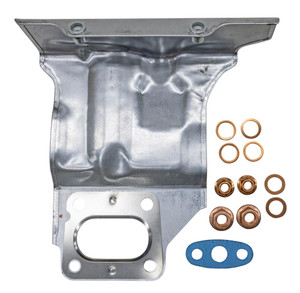
2011-2015 Chevy Cruze 1.4L Turbo
This section is for first-generation Chevrolet Cruze 1.4L gas turbo applications. These are commonly associated with the Garrett OE turbo family and matching 172-784-0341 install kit.

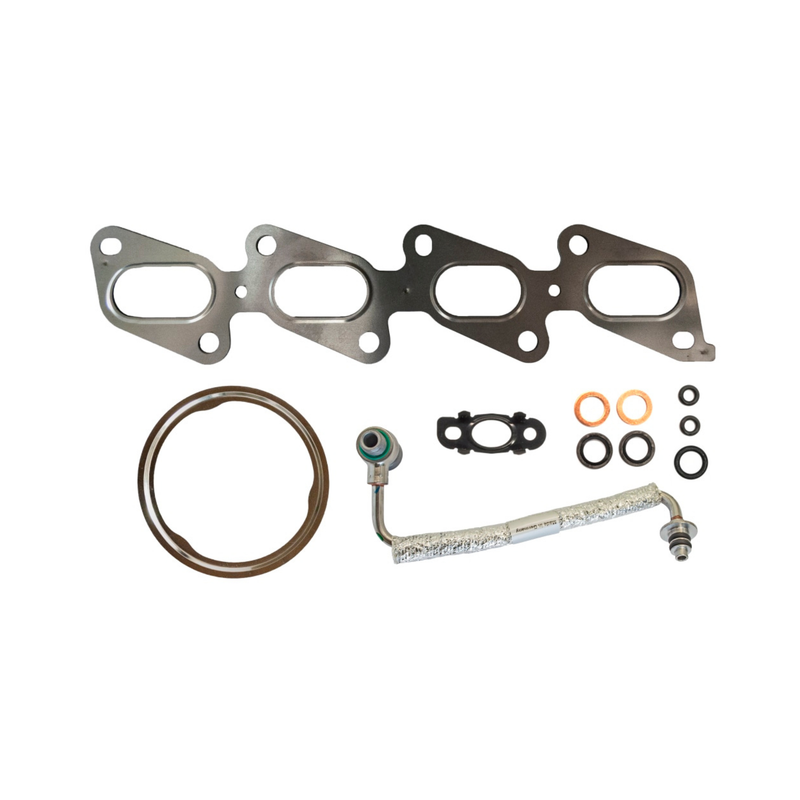
2016-2019 Chevy Cruze 1.4L Turbo
This section is for second-generation Chevrolet Cruze 1.4L gas turbo applications. These are commonly associated with the Mitsubishi OE turbo family and matching 172-784-0411 install kit.


Not Sure Which Cruze Turbo You Need?
Send TURBOS.COM your VIN, engine size, current turbo tag, OE number, or a clear photo of the turbo nameplate. We can help confirm the correct replacement before you order.
Why Buy an OEM Cruze Turbo?
A Cruze turbo replacement is not the place to gamble on low-grade aftermarket parts. The right OEM turbo helps match the original engine calibration, actuator behavior, oil and coolant routing, packaging, and boost response expected by the vehicle.
For Repair Shops
The real cost of a cheap turbo is not just the part. It is the comeback, diagnostic time, customer dissatisfaction, and risk of repeating the job. OEM fitment helps protect your bay time and your reputation.
For DIY Installers
The correct turbo and install kit reduce guesswork. Matching the turbo by generation, engine, turbo tag, and OE number helps prevent wrong-part orders and avoidable installation issues.
What Went Wrong? Common Causes of Chevy Cruze Turbo Failure
Many Cruze turbo failures are not caused by the turbo alone. Before replacing the turbocharger, inspect the systems that supply oil, coolant, air, crankcase ventilation, and exhaust flow.
Oil Starvation or Dirty Oil
Turbochargers depend on clean oil flow. Restricted oil feed lines, contaminated oil, poor maintenance intervals, or low oil level can damage the turbo bearing system quickly.
PCV and Crankcase Pressure Problems
PCV system issues can create vacuum leaks, excessive crankcase pressure, oil leaks, drivability issues, and boost-related complaints. Diagnose the PCV system before condemning the turbo.
Coolant Leaks and Overheating
A water-cooled turbo needs clean, unrestricted coolant flow. Overheating or coolant leaks can damage the turbo and related seals.
Boost Leaks
Loose clamps, cracked charge pipes, leaking intercooler connections, damaged bypass components, or intake leaks can trigger underboost symptoms that look like turbo failure.
Exhaust Restriction
A restricted catalytic converter or exhaust issue can increase backpressure, reduce performance, raise temperature, and shorten turbo life.
Foreign Object Damage
Debris entering the compressor or turbine can damage the wheel. Inspect the intake tract, air box, exhaust manifold area, and any loose hardware before installing the new turbo.
Chevy Cruze Turbo Installation Guide
This is a professional checklist for shops and advanced DIY installers. Always follow the factory service information for torque specs, fluid procedures, and model-specific steps.
Confirm the Failure Before Replacing the Turbo
Check DTCs, boost data, oil leaks, shaft movement, actuator function, charge-air leaks, exhaust restriction, PCV condition, and coolant system condition.
Match the Turbo by Generation and Part Number
Use year, engine, VIN, turbo tag, and OE number. The 2011-2015 1.4L and 2016-2019 1.4L Cruze applications are different and should not be treated as interchangeable.
Replace Critical Gaskets, Seals, and Hardware
Use the matching install kit where available. Do not reuse crushed gaskets, compromised washers, corroded fasteners, or heat-cycled sealing components.
Service the Oil System
Change the engine oil and filter. Inspect the oil feed and oil drain paths. Replace restricted, burnt, leaking, or contaminated oil lines as needed.
Inspect Coolant Lines and Cooling System
Check coolant lines, fittings, hoses, thermostat housing, water outlet, reservoir condition, and signs of overheating. Fill and bleed the system correctly.
Clean the Intake and Charge-Air System
Inspect the air filter, air box, compressor inlet, intercooler, charge pipes, clamps, and bypass components. Remove oil pooling or debris before startup.
Prime the Turbo Before Startup
Pre-lube the turbo and verify oil supply before normal operation. A dry start can damage a new turbo in seconds.
Final Checks and Road Test
Verify no oil, coolant, exhaust, or boost leaks. Monitor boost response, fuel trims, coolant temperature, oil leaks, and DTCs after the road test.
Pre-Install Checklist for Shops and DIY Installers
Use this checklist before installing the replacement turbocharger or install kit.
- Confirm Engine and Generation 2011-2015 1.4L and 2016-2019 1.4L use different turbo families.
- Check the Old Turbo Tag Match part number, OE number, or manufacturer model before ordering.
- Scan for DTCs Record underboost, lean, misfire, PCV, catalyst, and actuator-related codes.
- Inspect PCV System Do not install a new turbo over an unresolved crankcase ventilation issue.
- Inspect Oil Feed and Drain Restricted oil flow is one of the fastest ways to destroy a replacement turbo.
- Check Coolant System Repair coolant leaks, restrictions, or overheating before installation.
- Inspect Intake System Replace dirty filters and repair cracked or loose intake components.
- Inspect Charge-Air System Check intercooler hoses, clamps, and connections for boost leaks.
- Check Exhaust Backpressure A restricted exhaust can cause poor boost response and excess turbo heat.
- Use the Install Kit Fresh gaskets, seals, washers, and hardware reduce leak risk and comeback risk.
Symptoms of a Failing Chevy Cruze Turbo
These symptoms can point toward turbo failure, but they can also be caused by supporting engine systems. Diagnose the full system before replacing the turbo.
Low Power or Underboost
The vehicle feels weak, struggles under load, or sets an underboost-related check engine light.
Whistling or Siren Noise
Abnormal turbo noise may indicate compressor damage, air leaks, or bearing wear.
Oil Leaks or Smoke
Oil around the turbo, oil feed line, drain line, exhaust, or intake may indicate a sealing or engine ventilation issue.
Coolant Loss
Coolant loss near turbo coolant lines or related engine cooling components should be corrected before turbo replacement.
Poor Fuel Economy
Boost leaks, turbo inefficiency, or related engine faults can reduce efficiency.
Repeat Check Engine Light
If codes return after clearing, diagnose the root cause before installing another turbo.
Chevy Cruze Turbo FAQ
Common questions about Cruze turbo fitment, install kits, and failure prevention.
Which Chevy Cruze engines are turbocharged?
The most common U.S. Cruze turbo gas applications are the 1.4L turbo engines. The Cruze was also offered with diesel turbo applications, including first-generation 2.0L diesel and second-generation 1.6L diesel models. The 1.8L gas Cruze is not a factory turbo application.
Do I need an install kit when replacing a Cruze turbo?
Yes. A turbo replacement should not rely on reused gaskets, sealing washers, or heat-cycled hardware. The matching install kit helps reduce oil leaks, exhaust leaks, coolant leaks, and installation comebacks.
Why did my Cruze turbo fail?
Common root causes include oil starvation, dirty oil, restricted oil lines, PCV system problems, coolant leaks, overheating, boost leaks, exhaust restriction, actuator issues, and foreign object damage. Diagnose the cause before installing the replacement turbo.
Can a PCV problem look like turbo failure?
Yes. PCV and crankcase ventilation problems can cause oil leaks, vacuum leaks, lean codes, idle issues, boost complaints, and drivability problems. The PCV system should be inspected before replacing the turbo.
How do I know whether I need the 2011-2015 turbo or the 2016-2019 turbo?
Use the vehicle year, generation, engine, VIN, and turbo part number. The 2011-2015 Cruze 1.4L turbo application is commonly associated with Garrett 25201066 and 781504-5013S. The 2016-2019 Cruze 1.4L turbo application is commonly associated with Mitsubishi 25202345 and 49S8004077.
Can TURBOS.COM help confirm fitment?
Yes. Send your VIN, engine size, current turbo part number, OE number, or photos of the turbo tag and TURBOS.COM can help verify the correct replacement before you order.
Get the Right Chevy Cruze Turbo the First Time
Whether you are a repair shop trying to avoid a comeback or a DIY installer trying to do the job correctly, TURBOS.COM helps you match the correct OEM turbocharger and installation kit for your Cruze.
Always follow the vehicle manufacturer service procedure. This guide is informational and does not replace factory service information, torque specifications, or professional diagnosis.